The Seam Ripper Is Your Friend

How Mistakes Make You a Better Sewist

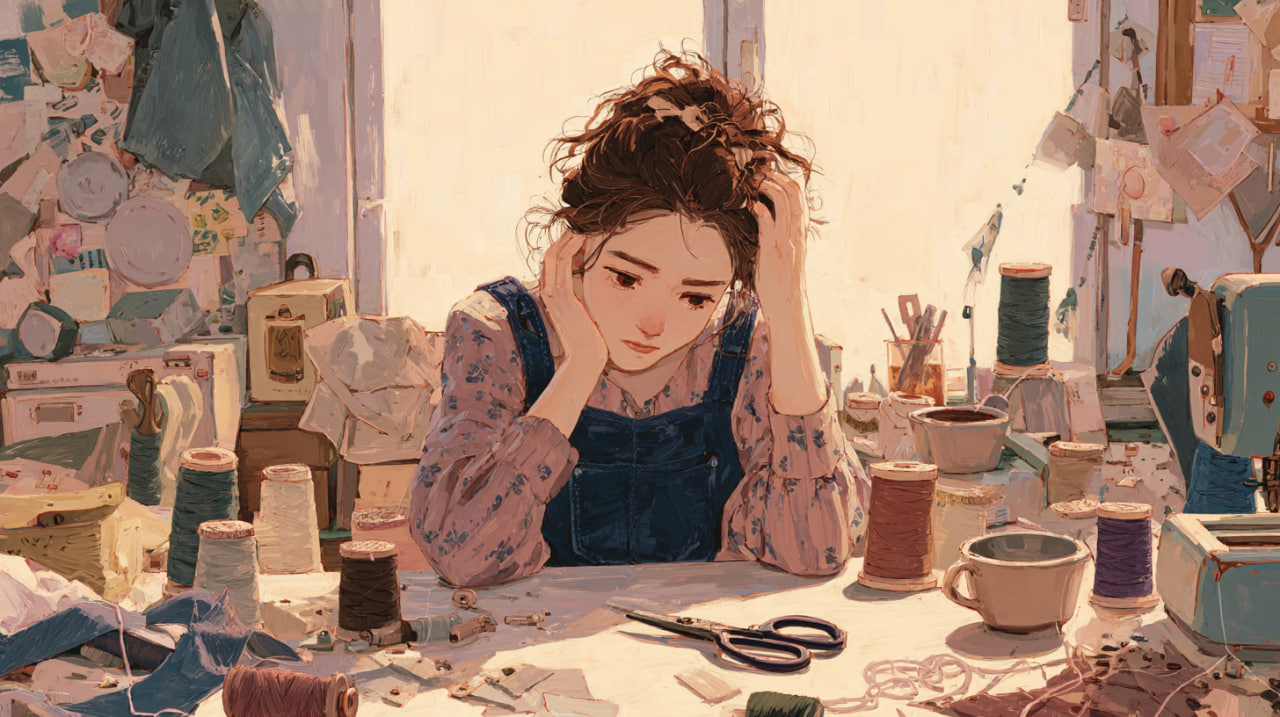
No sewist wants to talk about it—but every sewist does it. Whether it’s a crooked seam, a backward sleeve, or a zipper that’s slightly off, mistakes are as much a part of sewing as fabric and thread. The difference between a struggling beginner and a confident maker isn’t whether they make errors—it’s how they fix them.

Enter the humble seam ripper. Small, sharp, and often overlooked, it’s one of the most powerful tools in your sewing kit. More than that, it’s a symbol of growth. Because learning to embrace and fix mistakes is the secret to leveling up your skills—and loving the process, not just the result.

Why We Fear Mistakes

For many sewists, especially beginners, the fear of messing up can be paralyzing. You’ve carefully chosen fabric, spent hours on layout and cutting, and the last thing you want is to ruin it. But perfectionism can kill creativity.

This fear often leads to:

✔ Avoiding tricky patterns

✔ Skipping practice runs

✔ Rush ng through steps

✔ Keeping mistakes, even when they’re fixable

But here’s the truth: you will make mistakes. Every experienced sewist has a story (or ten) of late-night ripping, mismatched seams, and accidentally trimming the wrong side of a bodice. These aren’t failures—they’re lessons in disguise.

Meet Your Ally: The Seam Ripper

A seam ripper isn’t just for undoing errors—it’s for refining your work. Learning how to unpick stitches properly gives you the confidence to try new techniques, knowing that nothing is permanent until you say so.

How to Use a Seam Ripper Properly:

✔ Turn your fabric wrong side up and locate the bobbin thread (usually flatter and easier to lift).

✔ Slide the small hook under a stitch every inch or so, and gently cut it.

✔ Flip the fabric over, and pull the top thread away—it should come off in a clean line.

✔ Use the ball end of the seam ripper to prevent snagging or ripping fabric. That little red dot is there for a reason.

✔ Remove leftover thread tails with tweezers or a lint roller before resewing.

Rushing or forcing the seam ripper can tear the fabric—go slowly, especially with delicate materials.

What to Do After a Mistake

The moment you realize something’s wrong, stop. Take a breath. Then follow these steps:

✔Assess the damage. Is it cosmetic or structural? Can it be adjusted or does it need to come out completely?

✔ Check alignment and orientation. Make sure pattern pieces weren’t flipped or mismatched.

✔ Rip with intention. Don’t just undo blindly—understand what went wrong and how to fix it

✔ Try again with adjustments. Maybe you need more pins, a different stitch length, or a clearer marking.

And most importantly: don’t beat yourself up. Fixing mistakes isn’t a waste of time—it’s where your real learning happens.

Famous Mistakes, Better Results

Some of the best sewing wins come after a mistake. A skirt hem that had to be raised turns into a stylish midi. A too-tight bodice becomes a flattering panel insert. A misaligned seam inspires decorative topstitching.

Mistakes can spark creative problem solving and teach you to think like a designer, not just a pattern-follower.

Build a Resilient Sewing Mindset

Here’s how to embrace mistakes and grow through them:

✔ Keep a mistake journal. Document what went wrong and how you fixed it. This becomes your personal troubleshooting guide.

✔ Practice on scraps. If you’re trying a new technique—welt pockets, collars, zippers—test it first on a fabric scrap.

✔ Use temporary stitching. Basting (either by hand or machine) lets you test fit and placement before committing.

✔ Celebrate the fix. Post the before-and-after, laugh at the disaster photo, and be proud of the recovery.

Sewing is a skill, not a race. Every unpicked seam is a step forward.

Conclusion: Mistakes Make the Maker

The fear of mistakes can stop you from ever starting. But once you learn to unpick a seam without panic, to try again without shame, and to wear your handmade pieces with pride—even when they’re not perfect—you step into the true power of sewing. So keep your seam ripper close. Not as a punishment tool, but as a partner in progress. Because in the end, it’s not about sewing perfectly—it’s about sewing better, braver, and with the kind of joy that grows one stitch at a time.

Want some more? Here...

Cut With Confidence

You’ve chosen the fabric. You’ve printed the pattern. You’ve washed, ironed, and folded everything neatly. The scissors are sharp, the machine is threaded — and yet, you’re stuck………

Read more